

50 Core American Docs: Teaching Political Rhetoric
Today’s blog is the final entry in our miniseries on how teachers use 50 Core American Documents in their classroom. The author is Malik Ali, a Tukman Distinguished Teacher of

Today’s blog is the final entry in our miniseries on how teachers use 50 Core American Documents in their classroom. The author is Malik Ali, a Tukman Distinguished Teacher of
This is the second post in our series exploring how teachers plan to use our latest CDC volume in their classrooms. West Virginia educator Adena Barnette takes a deep dive
Teaching American History is proud to present our latest Core Document Collection volume, the second edition of 50 Core American Documents. Redesigned to bring the collection into the 21st century,

To showcase our latest Core Document Collection (CDC) volume, 50 Core American Documents, we’ve asked 3 of our teacher partners to choose their favorite document from the volume and explain
50 Core American Docs: An Introduction 50 Core American Documents is an introduction to both American history and to the Core Documents project of Teaching American History. As an introduction

In the summer of 1917, a riot erupted in East St. Louis, Illinois, a small city situated across the river from St. Louis, Missouri. White marauders attacked the homes of

When a faculty member scheduled to teach in the summer 2022 residential Master’s in American History and Government (MAHG) program fell ill, other faculty sprang into action, splitting up responsibility

William Blackstone referred to it as the second Magna Carta. Chief Justice John Marshall called it the “great writ.” It has been part of Anglo-American common law since the Middle Ages. What we
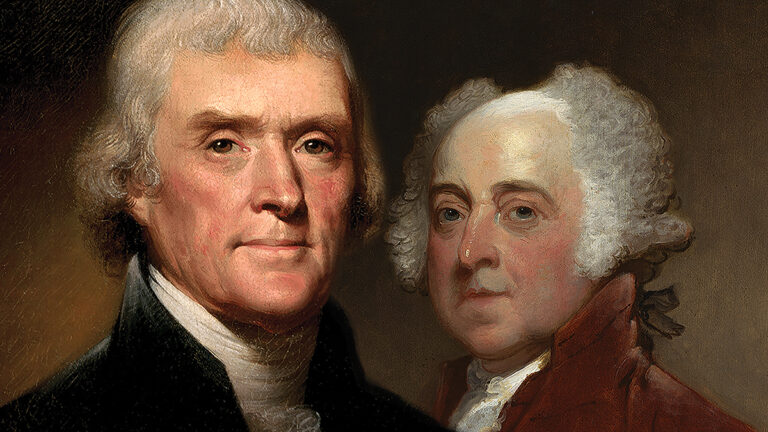
The presidential contest between an embattled incumbent seeking reelection in a bitterly divided country and his well-known challenger dominated the national spotlight. The hard-fought campaign featured vicious attacks in partisan

Teaching American History is proud to introduce our latest volume, From Bullets to Ballots: The Election of 1800 and the First Peaceful Transfer of Political Power Now available in our