

Teaching What Self-Government Requires
Many students enter high school government classes knowing very little about the way the American constitutional system really works. If given only a textbook account of American government, they leave

Many students enter high school government classes knowing very little about the way the American constitutional system really works. If given only a textbook account of American government, they leave

In the next few days, those who have completed all coursework for the Master of Arts in American History and Government (MAHG) program may begin writing their qualifying exams, so as to
A Lesson from the Founders for Constitution Day Americans in our day think “transparency” in government essential to its efficient and wholesome operation. The delegates to the Constitutional Convention did
Two well-known black and white photographs depict the struggle to end racial segregation in Southern schools that continued after the Supreme Court’s 1954 Brown v. Board of Education decision. Less

Discussion of primary documents. A supportive and engaged group of educators. Historic locations. Free professional development. What more could you ask for? Applications open soon for our Spring 2025 Multi

This summer marks the sixtieth anniversary of a watershed season of civil rights organizing across the state of Mississippi. Referenced internally as the 1964 Mississippi Summer Project and advertised as the
We were sad to learn last week that Mike Bisenius, a 2022 graduate of the Master of Arts in American History and Government (MAHG) program, has passed away after a
Good teachers respond to the needs of the students they seek to educate. Yet in their approach to this task, they are also responsible to administrators, parents, school boards—and, increasingly,
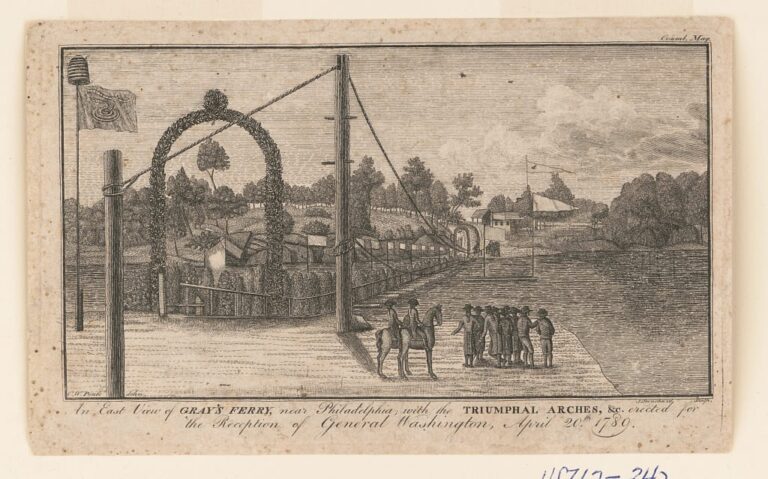
This blog post, written by faculty member Sarah Morgan Smith, was first posted on January 19, 2021. An online resource guide at Library of Congress, U.S. Presidential Inaugurations: “I Do Solemnly Swear…,” showcases the
On May 26, 1924, President Calvin Coolidge signed the Johnson-Reed Act, the first federal law in American history designed to establish permanent, comprehensive restrictions on immigration. It came at the