

The Case that Defined the School Desegregation Remedy
When people think of desegregation remedies, busing is likely the first thing to come to mind. Why? Because of Swann v. Charlotte-Mecklenburg, which was decided fifty years ago today. The

When people think of desegregation remedies, busing is likely the first thing to come to mind. Why? Because of Swann v. Charlotte-Mecklenburg, which was decided fifty years ago today. The

Today is the anniversary of Abraham Lincoln’s death. Instead of a story about Lincoln, we’re posting a story about a teacher who, each year in history class, tears the great

High above the football stadium at Clemson University sits Fort Hill, the stately antebellum home of John C. Calhoun. On game days at Clemson, the marching band parades down the

Today we are pleased to feature a post by Stacy Moses, a teacher at Sandia Preparatory School in Albuquerque, NM. Moses completed her Master of Arts in American History and

Slavery and its Consequences was recently released in Teaching American History’s Core Document Collection. We talked with the volume’s editor, David Tucker, to learn what he hopes the collection contributes

Beginning on April 12th, 1861, Confederate guns around Charleston Harbor opened fire on Ft. Sumter, a small Union fort on an island in the harbor. Some 34 hours later, Union
Teachers attending Teaching American History programs find new colleagues—educators who may live far away, yet care just as deeply about educating young citizens. Such colleagues are huge assets for working

At approximately 4:40 pm on Saturday, March 25, 1911, the eighth floor of the Asch Building, a ten-story skyscraper on the corner of Greene Street and Washington Place in Manhattan’s
Like many youngsters interested in history, I read only books about presidents and generals as a boy. Harry Truman became my favorite president—in part because my grandmother claimed to be
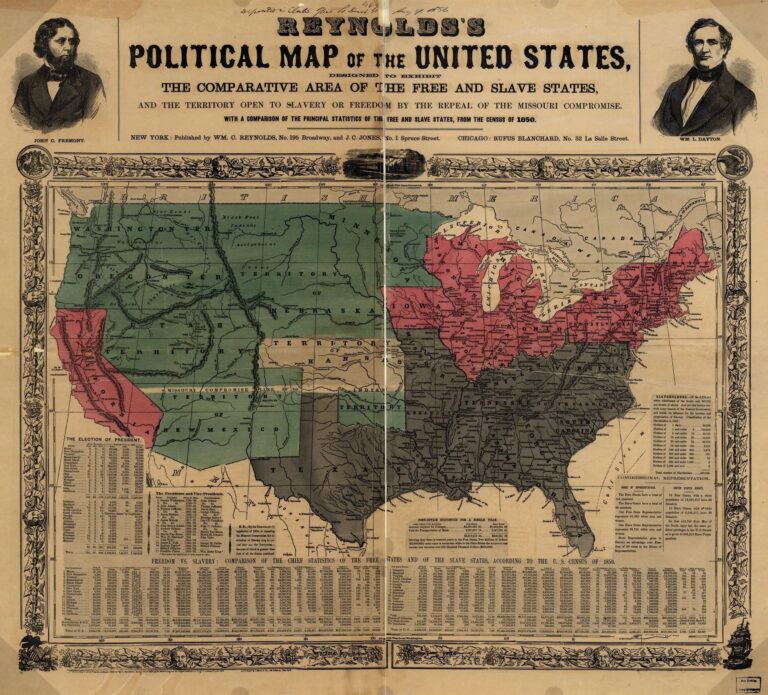
I have a confession to make. In my years teaching American history, I did an inadequate job teaching students about the notorious abolitionist John Brown, his activities in Kansas during