

Historical Reads: Patton’s Third Army Crosses the Rhine
On March 22nd, 1945, elements of the United States’ Third Army, under the command of Lieutenant General George S. Patton, crossed the Rhine River at Oppenheim, south of Mainz. Weeks

On March 22nd, 1945, elements of the United States’ Third Army, under the command of Lieutenant General George S. Patton, crossed the Rhine River at Oppenheim, south of Mainz. Weeks
What historical sites are on your bucket list? Fortunately, I have visited several of mine – Civil War sites from Chickamauga to Gettysburg and civil rights sites like the Edmund
When Lincoln became president on March 4, 1861, white citizens of seven slaveholding states no longer considered themselves citizens of the United States of America. Unwilling to accept a Republican
Today we feature a conversation with Sarah Morgan Smith. Smith is content editor of several volumes in TAH’s Cored Documents series, including Documents and Debates in American History and Government,

Today we feature Kevin Barney, a graduate of our Master of Arts in American History and Government (MAHG) program, who teaches history and government at Veterans Tribute Career and Technical

On July 16, 1945, the USS Indianapolis slipped away from its moorings on Mare Island, California, headed for the South Pacific. The United States military command so heavily guarded the
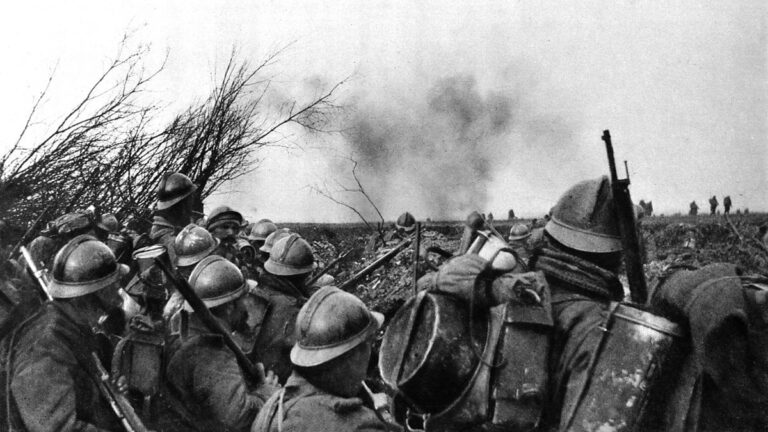
February 21 will mark the 105th anniversary of the commencement of the Battle of Verdun, which began with a German offensive against the French fortress at Verdun and its surrounding

The First Amendment protects five distinct freedoms: religious freedom, freedom of speech, freedom of the press, freedom of assembly, and freedom to petition. When asked to list these freedoms, most
Few of us enjoy particular attention on the day before our birthdays. Yet on the morning before Abraham Lincoln’s 52nd birthday—February 11, 1861—over a thousand of his neighbors gathered at

Rumors were swirling throughout New England. What were the delegates, gathered in secret, doing? Were spies and war opponents, known as “Blue Lights,” aiding and abetting the enemy by flashing