633: The American Presidency II, Andrew Johnson to the Present
HIST 633 O7B / POLSC 633 O7B: The American Presidency II, Andrew Johnson to the Present (2) This course is an examination of the political and constitutional development of the […]

HIST 633 O7B / POLSC 633 O7B: The American Presidency II, Andrew Johnson to the Present (2) This course is an examination of the political and constitutional development of the […]

This seminar will focus on immigration to the West Coast of the United States from the mid-to-late 1800s to the present day. Using a mixture of primary source documents, memoirs, and short fiction, we will study topics such as Chinese immigration and exclusion, Japanese immigration and internment during World War II, refugees from Southeast Asia […]

Beginning with the upheavals of the 1960s, the United States saw a diverse set of groups pushing for social change. These included African Americans, Native Americans, women, and gays and lesbians. This seminar will focus on the legacy of the 1960s, the intersection of personal behavior with political movements and battles won and lost by […]
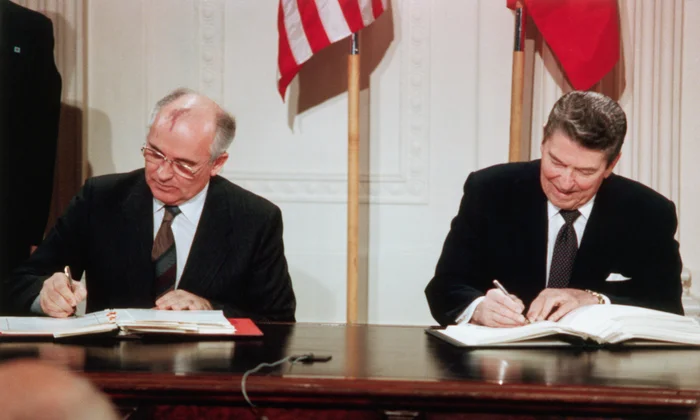
As detente between the United States and the Soviet Union collapsed in the late 1970s, the prospect of superpower confrontation and nuclear war became a disturbing possibility for the entire world. Entering office vowing to confront the Soviet Union, Ronald Reagan struggled to reconcile his determination to confront Soviet power with his efforts to improve […]

This seminar offers an overview of the principles of the American Founding and the documents that embody them, especially the Declaration of Independence and U.S. Constitution. These principles will be illuminated through a close study of the events of the American Revolution and the struggle over ratification of the Constitution. Historic Site: Valley Forge National […]

The Declaration of Independence in Crisis: Origins of the Civil War is a live, interactive webinar series for secondary social studies teachers that centers the Declaration of Independence in the antebellum era. Through discussion of primary sources, participants will explore how its ideals fueled the debates and divisions that led to civil war and stood […]

This seminar explores how three iconic figures in American history—Benjamin Franklin, Mark Twain, and Will Rogers—utilized wit, satire, and humor to navigate and critique pivotal eras of political and social change. Participants will examine Franklin's pioneering political cartoons and essays targeting tyranny and corruption in the Revolutionary era, Twain's incisive commentary on Frontier life and […]

The 1970s was a tumultuous decade in American history, filled with war, political scandal, the resignation of a President, and multiple domestic crises. More fundamentally, it was a decade that witnessed the greatest expansion of federal regulation in American history, as well as a rethinking of the major institutions of American government. This seminar will […]

Abraham Lincoln and Martin Luther King, Jr. both argued that the proper foundation for civic education is the belief that America has a moral essence derived from the principles of the Declaration of Independence. America’s history and purpose—it’s past, present, and future—is the story of our struggle to live up to those principles. Our conversation […]

Abraham Lincoln and Martin Luther King, Jr. both argued that the proper foundation for civic education is the belief that America has a moral essence derived from the principles of the Declaration of Independence, and that America’s history and purpose—its past, present, and future—is the story of our struggle to live up to those principles. […]