

The First Three Presidents
The presidencies of George Washington, John Adams, and Thomas Jefferson established precedents and dealt with issues of executive power. This seminar will examine documents from the Washington, Adams and Jefferson […]

The presidencies of George Washington, John Adams, and Thomas Jefferson established precedents and dealt with issues of executive power. This seminar will examine documents from the Washington, Adams and Jefferson […]

The Declaration of Independence in Crisis: Origins of the Civil War is a live, interactive webinar series for secondary social studies teachers that centers the Declaration of Independence in the […]

World War II brought about the formation of what Winston Churchill called the "Grand Alliance" of the United States, the Soviet Union, and Great Britain. But while this alliance proved […]

This seminar wil focus on America's westward expansion and its "Manifest Destiny" to expand from sea to shining sea. We will consider the purposes for westward expansion, Jackson's Indian Removal Policy, and westward expansion's impact on slavery. This program will be conducted as a discussion, utilizing primary source documents as the only readings, and with […]

Wallace Stegner, “the dean of Western writers,” called Hoover Dam “one of the world’s wonders,” marveling how everything about it “is marked by the immense, smooth, efficient beauty that seems peculiarly American.” The colossal structure Stegner admired in the Nevada desert inaugurated an era of prolific construction in the United States, when dams arose as […]

The era of Reconstruction is among the most consequential—but also misunderstood—periods of all American history. This seminar introduces participants to the purpose and implications of Reconstruction. It devotes particular attention to the ways in which Americans restored formally rebellious states into a federal republic; the definition and scope of liberty in the wake of emancipation; […]

The results of the Civil War clarified many fundamental issues regarding the nature of the American government and the enlightenment ideals that rooted its founding. Many new theories of government—some native, some imported from Europe—promised progress beyond political equality, individual liberty, and representative government. The United States did not escape the influence of these ideas. […]

This seminar considers some of the causes and consequences of the terrorist attacks that occurred on September 11, 2001. Among the topics it covers are the rise of militant Islam, the American response to international terrorism, aspects of the Patriot Act, intelligence failures, the U.S. attack on the Taliban, the subsequent war in Afghanistan, the […]
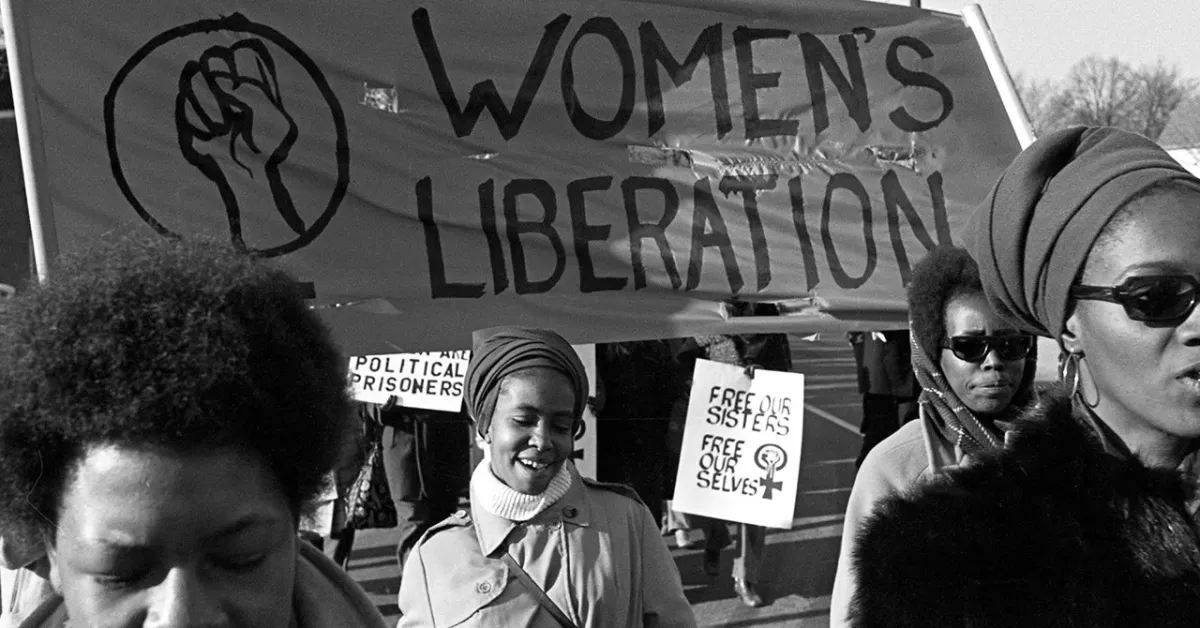
This seminar will examine the lives of African American women from Reconstruction through the latter twentieth century. Using primary source materials from leading African American female intellectuals, activists, and organizations, we will concentrate on African American women’s experiences in politics, the workplace, race and social movements, and on historical debates about men and women’s private […]

The First Amendment defines and shapes America by guaranteeing five core freedoms: Religious Liberty, Freedom of Speech and Press along with the Right to Peaceably Assemble and Redress Grievances of our Government. These few words create a unique civic identity built on individual conscience, democratic accountability, and limits state censorship or intrusion. This seminar will […]