

Dams and the Transformation of the American West
Wallace Stegner, “the dean of Western writers,” called Hoover Dam “one of the world’s wonders,” marveling how everything about it “is marked by the immense, smooth, efficient beauty that seems […]

Wallace Stegner, “the dean of Western writers,” called Hoover Dam “one of the world’s wonders,” marveling how everything about it “is marked by the immense, smooth, efficient beauty that seems […]

The era of Reconstruction is among the most consequential—but also misunderstood—periods of all American history. This seminar introduces participants to the purpose and implications of Reconstruction. It devotes particular attention […]

The results of the Civil War clarified many fundamental issues regarding the nature of the American government and the enlightenment ideals that rooted its founding. Many new theories of government—some native, some imported from Europe—promised progress beyond political equality, individual liberty, and representative government. The United States did not escape the influence of these ideas. […]

This seminar considers some of the causes and consequences of the terrorist attacks that occurred on September 11, 2001. Among the topics it covers are the rise of militant Islam, the American response to international terrorism, aspects of the Patriot Act, intelligence failures, the U.S. attack on the Taliban, the subsequent war in Afghanistan, the […]
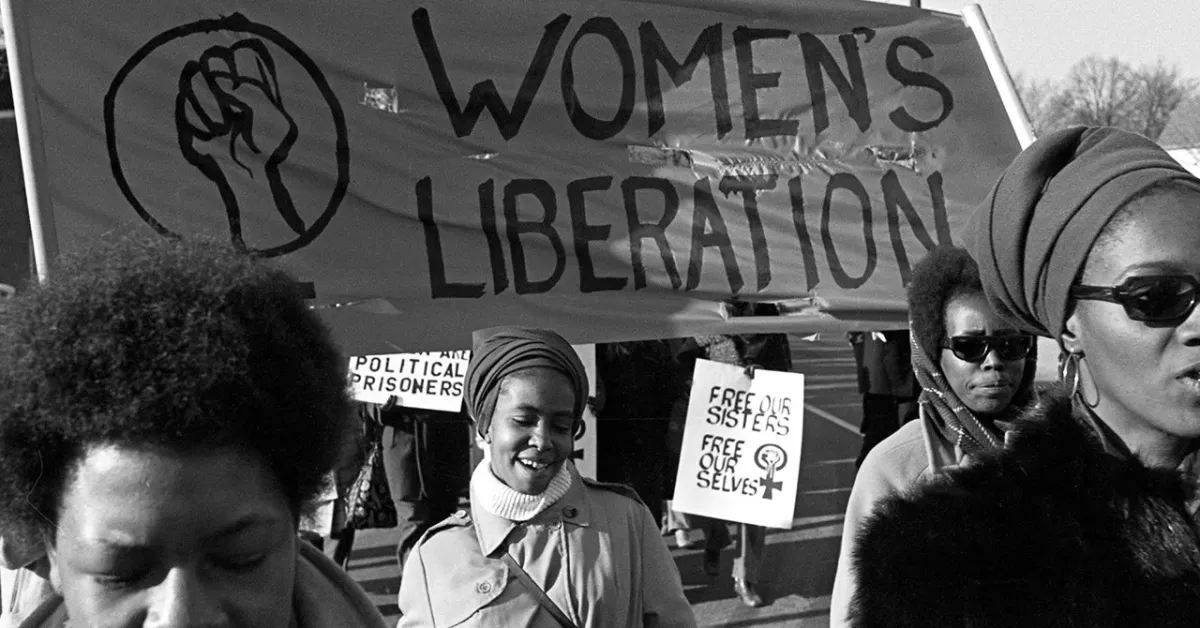
This seminar will examine the lives of African American women from Reconstruction through the latter twentieth century. Using primary source materials from leading African American female intellectuals, activists, and organizations, […]

The First Amendment defines and shapes America by guaranteeing five core freedoms: Religious Liberty, Freedom of Speech and Press along with the Right to Peaceably Assemble and Redress Grievances of […]

How did the Founders try to translate the ideals of the Revolution into a form and system of government that would empower, yet restrain the Executive? How have the interpretations of those powers changed over time, especially in the face of crisis? Explore the constitutional powers, legal authority and evolution of the 'soft power' of […]
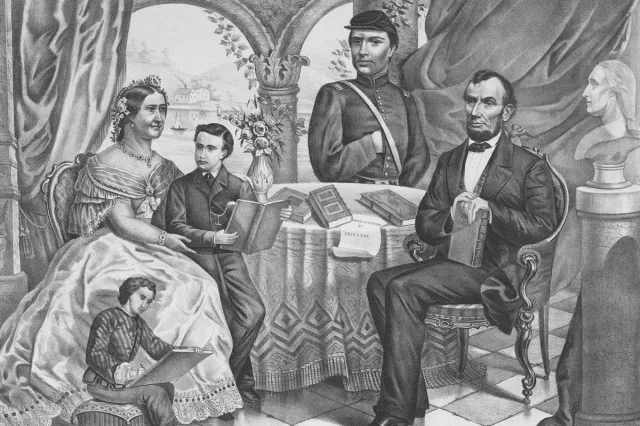
From a young age Abraham Lincoln was a voracious reader, especially of the writings of William Shakespeare. He was known to carry a worn-out pocket-sized copy of Macbeth while law […]

This workshop will examine primary documents to consider how American participation in World War I transformed American society. We will analyze debates over entering the war and expanding the postwar role of the United States in the world, the homefront mobilization required to fight overseas, challenges to civil liberties during the conflict, the wartime fight […]

With the death of Franklin Roosevelt, Harry S. Truman inherited one of the most challenging national security environments to ever greet an incoming president, as he was forced to both complete the great work of securing a lasting victory in World War II and navigate the complex dynamics of the emerging Cold War. By the […]