
Westward Expansion
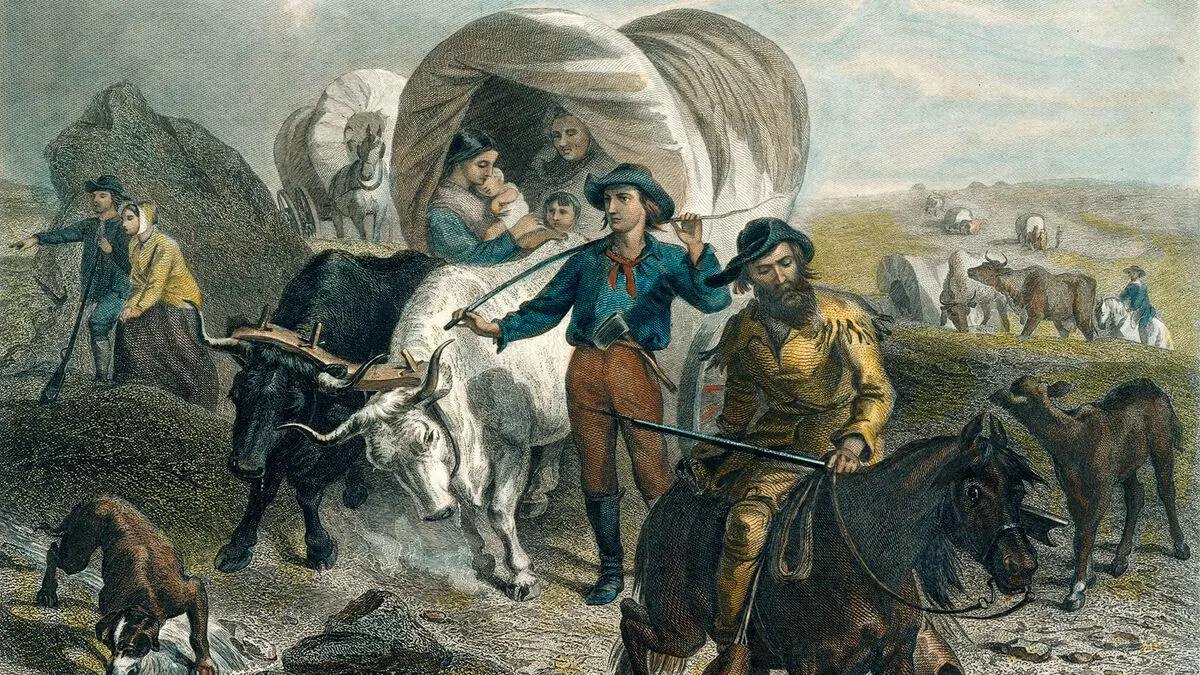
This seminar wil focus on America's westward expansion and its "Manifest Destiny" to expand from sea to shining sea. We will consider the purposes for westward expansion, Jackson's Indian Removal […]

This seminar wil focus on America's westward expansion and its "Manifest Destiny" to expand from sea to shining sea. We will consider the purposes for westward expansion, Jackson's Indian Removal […]

Wallace Stegner, “the dean of Western writers,” called Hoover Dam “one of the world’s wonders,” marveling how everything about it “is marked by the immense, smooth, efficient beauty that seems peculiarly American.” The colossal structure Stegner admired in the Nevada desert inaugurated an era of prolific construction in the United States, when dams arose as […]
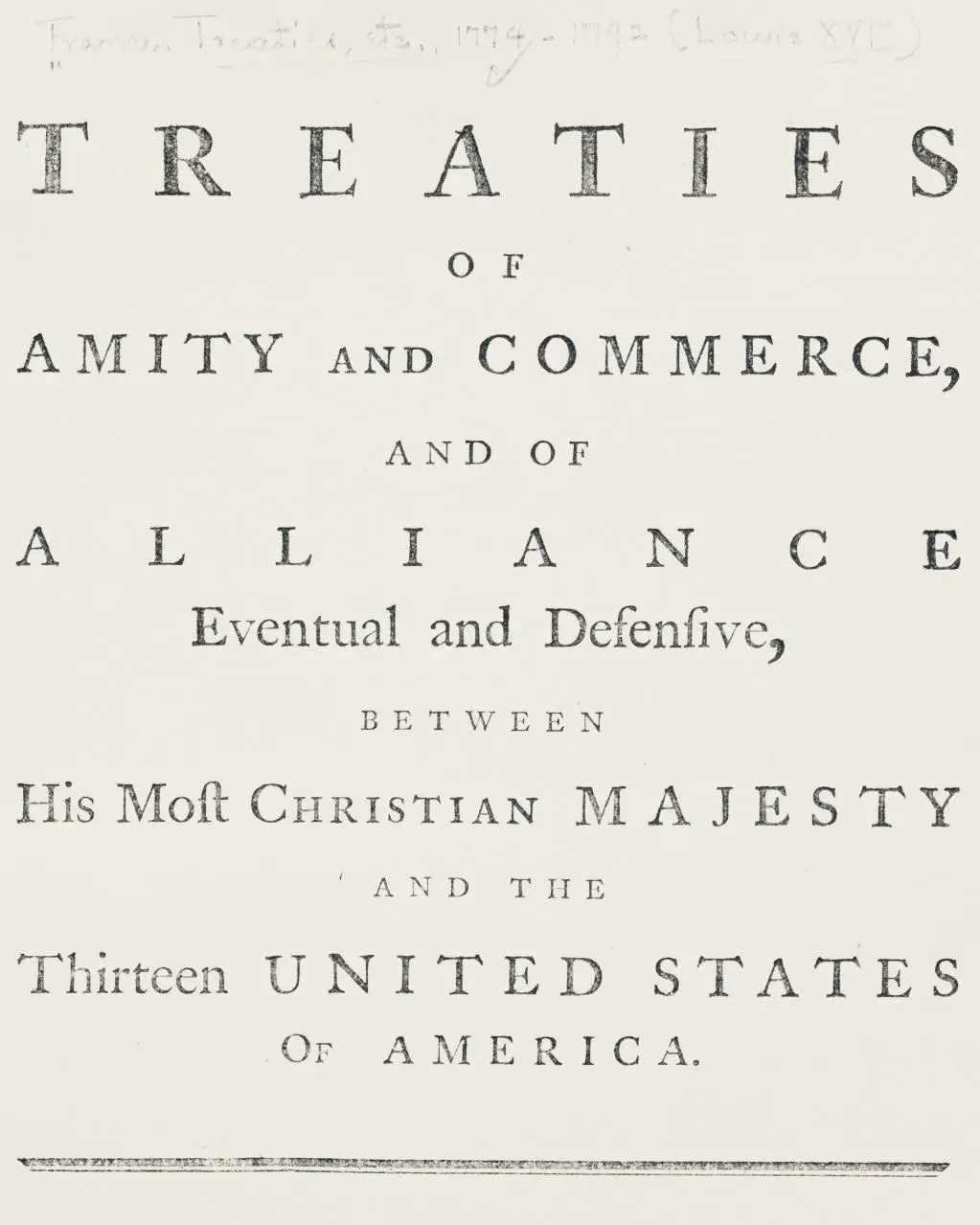
The American Revolution established an independent nation, but it also left Americans with a difficult question: How could we protect our independence and find our place in a world dominated by powerful nations? What did the founding generation believe America's role in the world should be? TAH’s online seminars bring social studies educators together each […]

The era of Reconstruction is among the most consequential—but also misunderstood—periods of all American history. This seminar introduces participants to the purpose and implications of Reconstruction. It devotes particular attention to the ways in which Americans restored formally rebellious states into a federal republic; the definition and scope of liberty in the wake of emancipation; […]
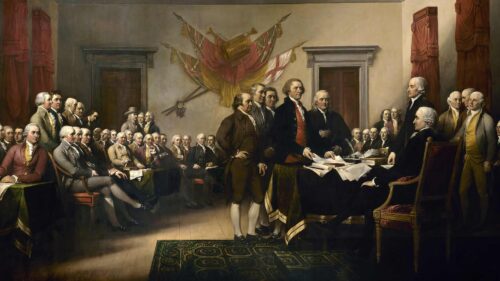
In creating what James Madison referred to as a “compound republic,” the framers of the U.S. Constitution established a political system that was bound to generate collisions between state and […]
The results of the Civil War clarified many fundamental issues regarding the nature of the American government and the enlightenment ideals that rooted its founding. Many new theories of government—some native, some imported from Europe—promised progress beyond political equality, individual liberty, and representative government. The United States did not escape the influence of these ideas. […]

This seminar considers some of the causes and consequences of the terrorist attacks that occurred on September 11, 2001. Among the topics it covers are the rise of militant Islam, the American response to international terrorism, aspects of the Patriot Act, intelligence failures, the U.S. attack on the Taliban, the subsequent war in Afghanistan, the […]
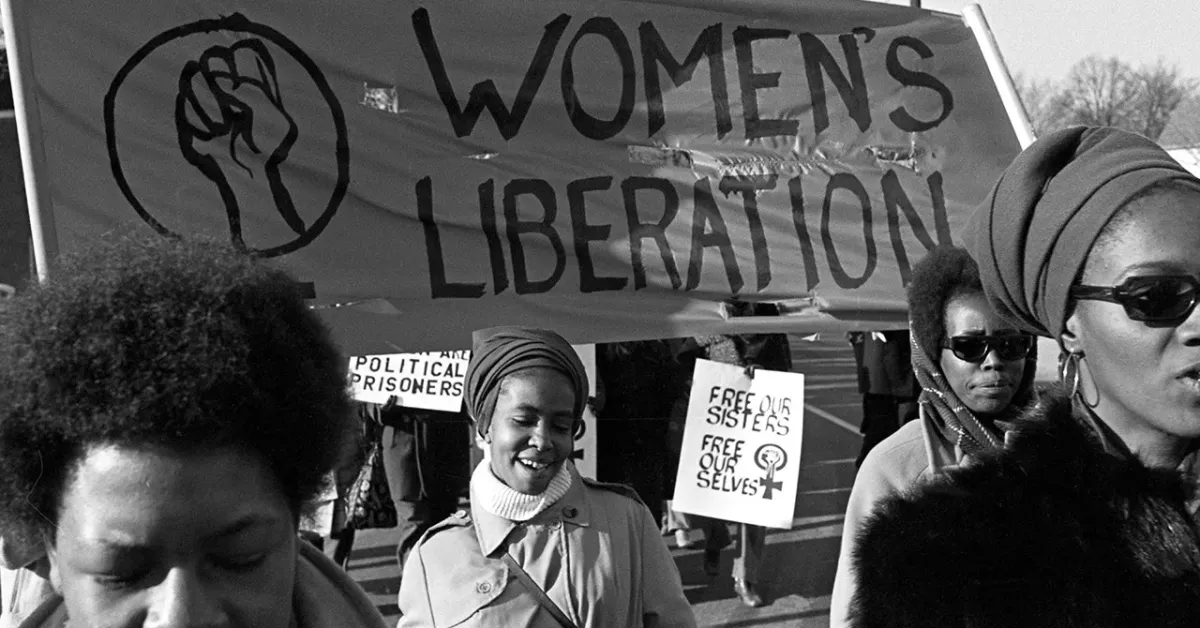
This seminar will examine the lives of African American women from Reconstruction through the latter twentieth century. Using primary source materials from leading African American female intellectuals, activists, and organizations, […]
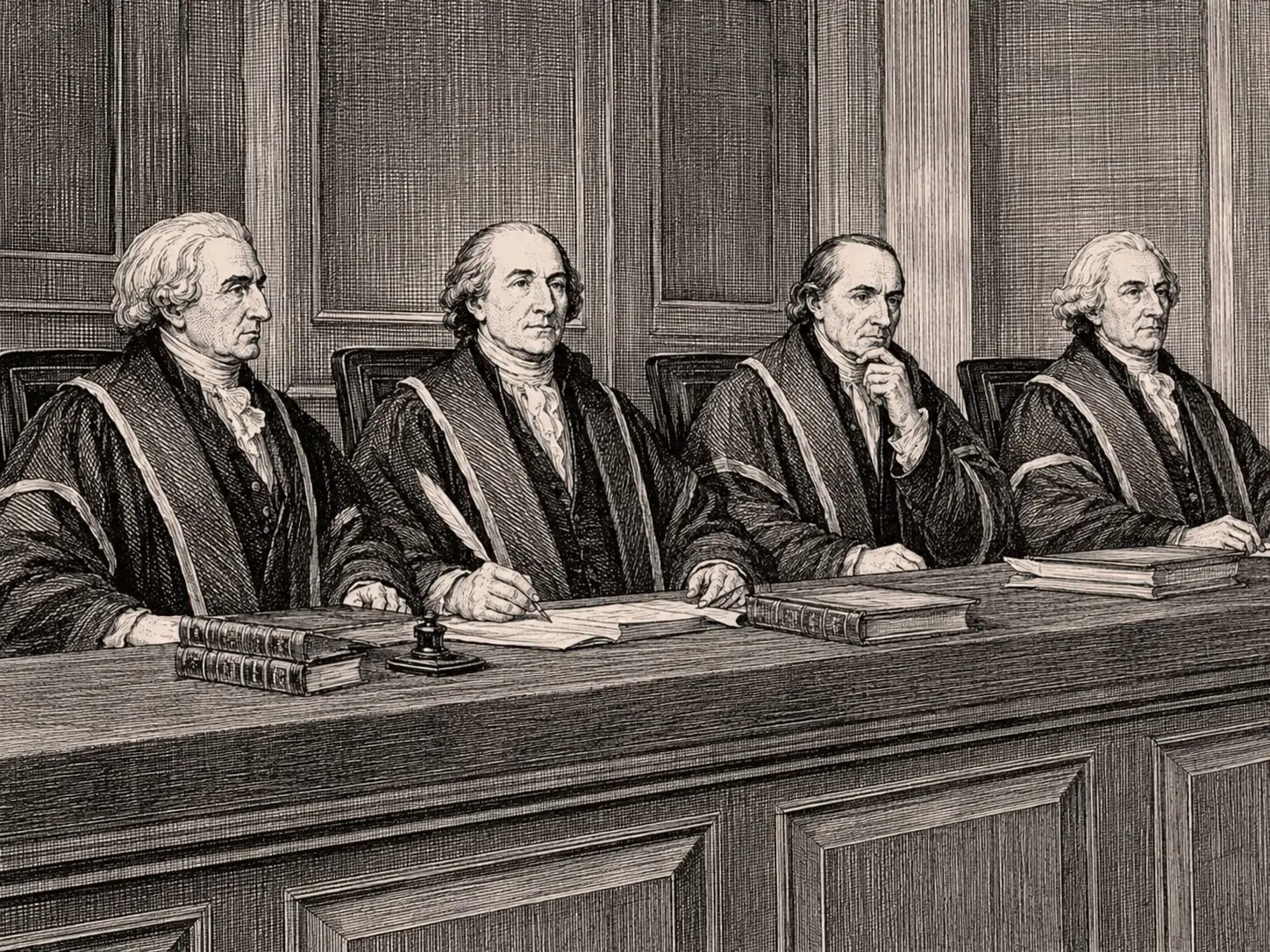
The First Amendment defines and shapes America by guaranteeing five core freedoms: Religious Liberty, Freedom of Speech and Press along with the Right to Peaceably Assemble and Redress Grievances of […]
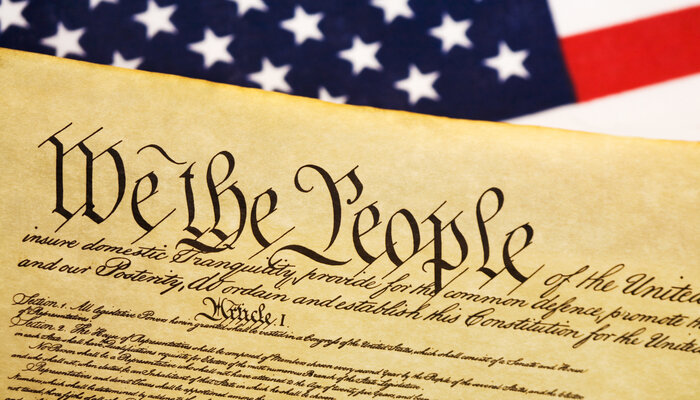
Abraham Lincoln and Martin Luther King, Jr. both argued that the proper foundation for civic education is the belief that America has a moral essence derived from the principles of the Declaration of Independence, and that America’s history and purpose—its past, present, and future—is the story of our struggle to live up to those principles. […]