

America at 250: The Legacy of the Declaration of Independence
Abraham Lincoln and Martin Luther King, Jr. both argued that the proper foundation for civic education is the belief that America has a moral essence derived from the principles of […]

Abraham Lincoln and Martin Luther King, Jr. both argued that the proper foundation for civic education is the belief that America has a moral essence derived from the principles of […]

Native Americans occupy an anomalous position in the United States. Federally recognized tribes each are separate sovereigns within the federal system. States hold no authority over them except what Congress […]

In creating what James Madison referred to as a “compound republic,” the framers of the U.S. Constitution established a political system that was bound to generate collisions between state and […]
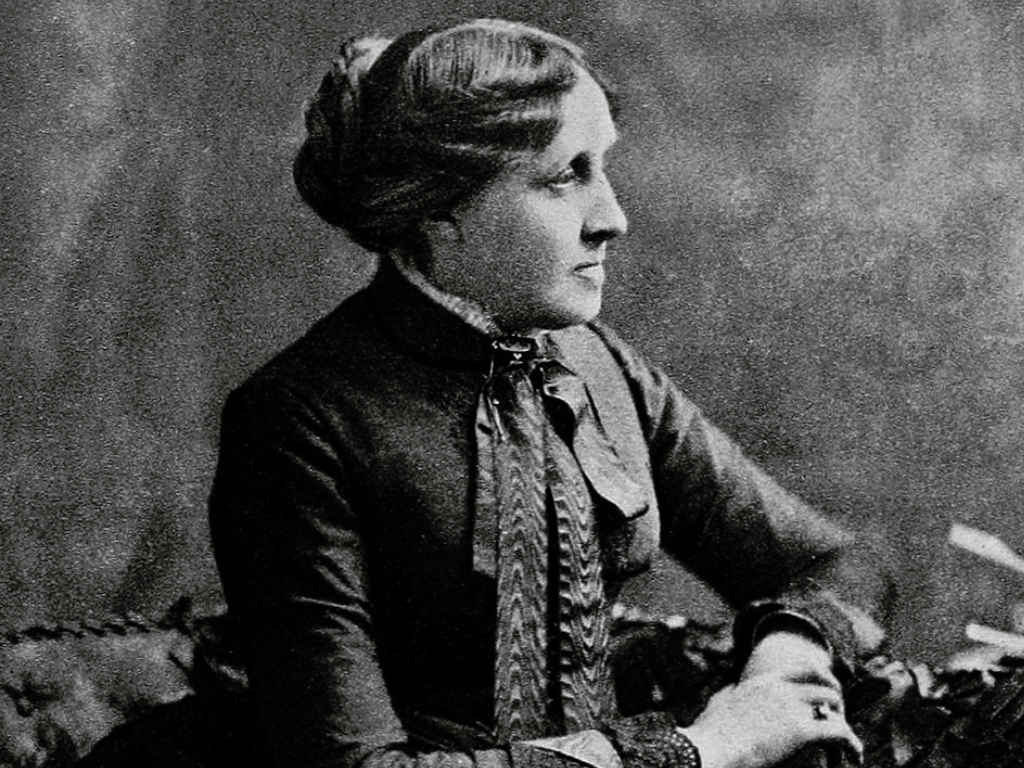
Women’s political, social, and economic status has undergone several transformations in American history. This seminar will explore readings and documents in those stages: Women of Reform and Revolution, Women in […]

Our conversation will ponder the political developments in North America and the British empire surrounding the arguments for and against independence. This will include the Declaration of Independence, how the […]

Abraham Lincoln and Martin Luther King, Jr. both argued that the proper foundation for civic education is the belief that America has a moral essence derived from the principles of […]
Abraham Lincoln and Martin Luther King, Jr. both argued that the proper foundation for civic education is the belief that America has a moral essence derived from the principles of […]

Following the Civil War, African American businessmen and women began to invest, build, and thrive despite white controlled financial and commercial networks. But what happened in the Greenwood district of […]

Abraham Lincoln and Martin Luther King, Jr. both argued that the proper foundation for civic education is the belief that America has a moral essence derived from the principles of […]

Great fortunes were made in the late 19th Century and with this growth of industrialism came a desire to expand markets. How did nationalism inform the pro-imperialist arguments of Theodore […]