

Women and the New Industrial Order
This seminar will explore the progressive politics of some notable late nineteenth and early twentieth century American women. We will consider the distinct perspective that these women brought to the […]

This seminar will explore the progressive politics of some notable late nineteenth and early twentieth century American women. We will consider the distinct perspective that these women brought to the […]

The Founders famously created a "Constitution against parties" and yet political parties emerged and organized during George Washington's administration. At the center of this partisan contest was Alexander Hamilton and […]

Reading Packet
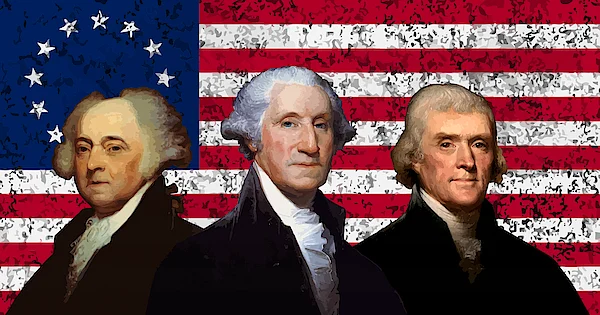
The presidencies of George Washington, John Adams, and Thomas Jefferson established precedents and dealt with issues of executive power. This seminar will examine documents from the Washington, Adams and Jefferson […]
The presidencies of George Washington, John Adams, and Thomas Jefferson established precedents and dealt with issues of executive power. This seminar will examine documents from the Washington, Adams and Jefferson […]

This seminar explores the crucial role of free speech in a democratic republic and the Court’s evolving standards of jurisprudence over the past hundred years. Indeed, the First Amendment has […]

This seminar will focus on America’s westward expansion and its “Manifest Destiny” to expand from sea to shining sea. This seminar will consider the purposes for westward expansion, Jackson’s Indian […]
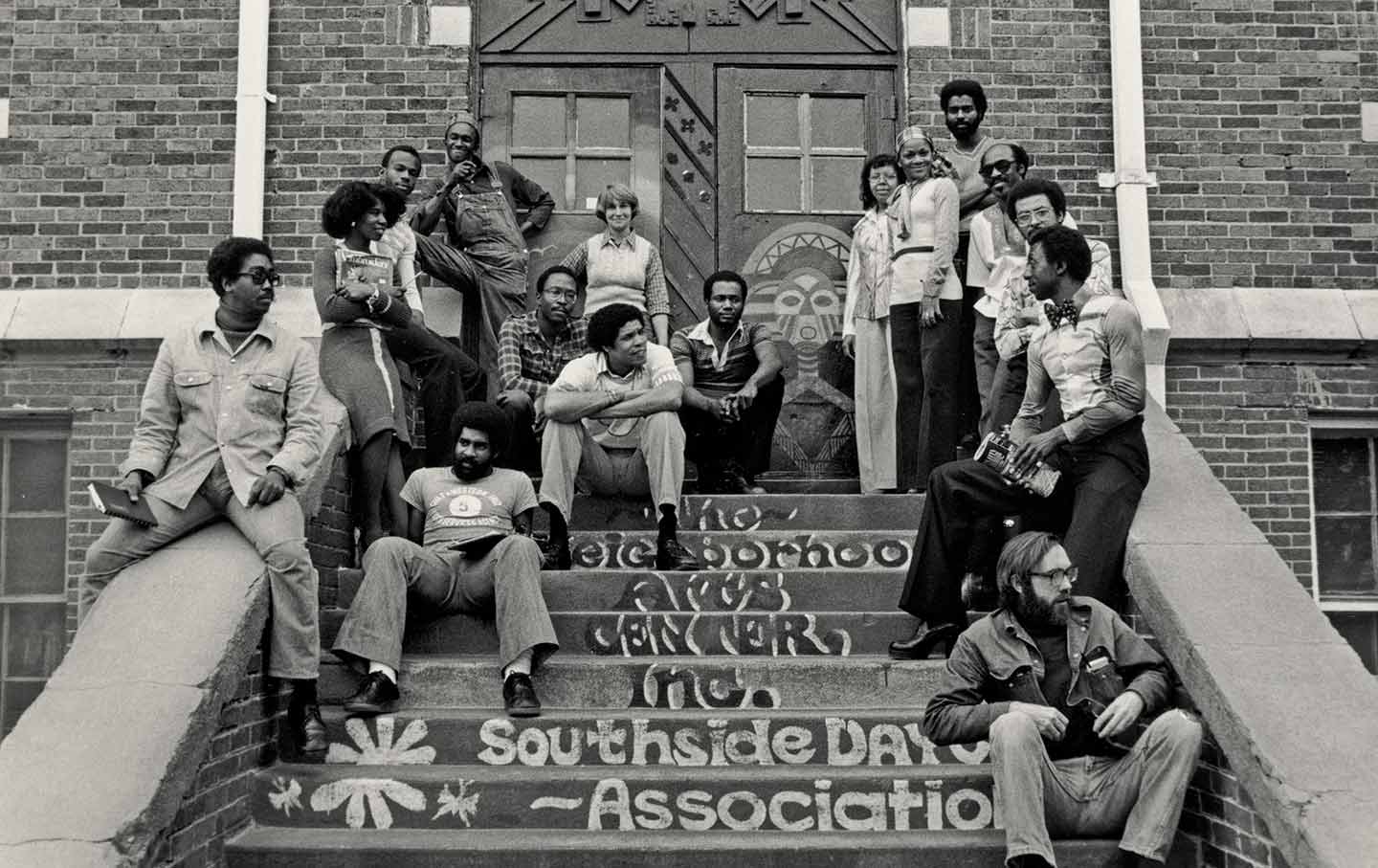
This seminar explores major themes in the African American tradition by considering speeches, essays, and literature at several key inflection points across history. Participants will reflect upon different forms of […]

The decade that preceded Abraham Lincoln’s presidential election and the onset of secession and civil war saw an America increasingly divided over the future of slavery in the United States. […]

This seminar will examine Lincoln’s speeches and letters, as well as those of select contemporaries, on emancipation, civil war, and reconstruction. We will focus on Lincoln’s consistencies and inconsistencies on […]